Is Basement Finishing Worth It in Wichita? ROI, Resale, and Energy Efficiency Explained
June 13th, 2025 | by SEOTeam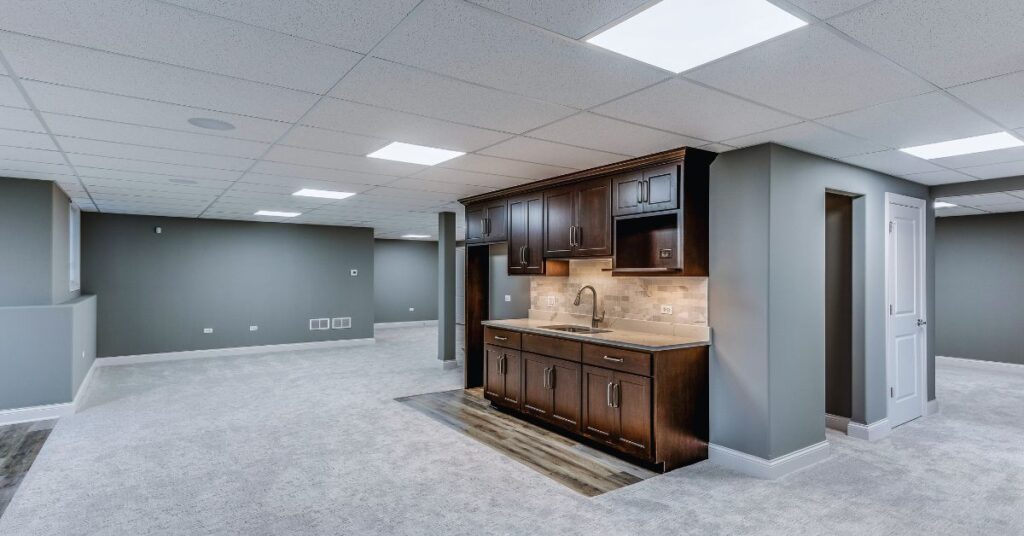
Introduction
Homeowners often ask if finishing their basement is truly worth the investment. Whether you’re looking to add functional living space, boost resale value, or reduce your home’s energy loss, finishing a basement is one of the most effective upgrades you can make. This comprehensive guide explores the financial, functional, and energy-saving benefits of basement finishing, while also shedding light on potential pitfalls to avoid. It’s a decision that combines aesthetics, comfort, and long-term value into one powerful home improvement move.
What Is Basement Finishing?
Basement finishing refers to the process of transforming an unfinished, raw basement into a livable, comfortable, and code-compliant space. This transformation typically involves building framed walls, adding insulation, hanging drywall, installing ceilings, and placing flooring over bare concrete. Utility upgrades are also common, such as improved lighting, new electrical wiring, plumbing for bathrooms or wet bars, and extending the home’s heating and cooling system into the space. To ensure safety, especially in bedrooms or living areas, finishing a basement often includes the installation of egress windows or exterior doors. The end result is a fully functional part of the home that can serve many purposes—whether it be a guest suite, game room, office, or income-generating apartment.
How Much Does Basement Finishing Typically Cost?
The cost of finishing a basement varies significantly depending on square footage, existing structural conditions, and the quality of finishes selected. Basic finishing costs typically start around $30–$50 per square foot for simple framing, drywall, and flooring. Mid-range finishes that include built-ins, recessed lighting, and upgraded materials tend to range between $60–$80 per square foot. High-end basement finishes, including full kitchens, luxury bathrooms, soundproof media rooms, or radiant heat flooring, can exceed $100 per square foot. For a 1,000-square-foot basement, this can mean a project budget ranging from $30,000 to well over $100,000. Despite the range, investing in a well-thought-out basement project tends to offer solid long-term value, particularly when the finished space is customized to meet both family needs and market appeal.
Return on Investment (ROI): What You Can Expect
Basement finishing consistently ranks among the highest-return home improvement projects. According to national data and home remodeling reports, homeowners can recoup between 70% and 75% of their investment upon resale. This places basement finishing ahead of many other renovations, such as major kitchen or bathroom overhauls. More importantly, ROI includes not just resale value, but the functional benefit of having more usable space. Whether you’re creating a home theater, an extra bedroom, or a separate apartment, the added functionality enhances everyday life. Additionally, you avoid the costs associated with building a home addition, since you’re making the most of your existing structure.
Basement Finishing and Resale Value
A finished basement can have a significant impact on a home’s resale value, especially in suburban or family-oriented neighborhoods. Potential buyers are often drawn to homes that offer bonus areas for growing families, home offices, or in-law suites. When the basement is well-designed and includes modern amenities such as a bathroom or kitchenette, it may even be perceived as an additional living unit. Real estate appraisers factor finished basements into their valuation, especially when the work is done with permits and up to code. High-quality finishes, such as waterproof flooring, recessed lighting, and durable wall materials, also make the space more attractive to prospective buyers. On the other hand, poorly finished or semi-finished basements may be seen as liabilities, potentially raising concerns about moisture, insulation, or legality.
Energy Efficiency Benefits of a Finished Basement
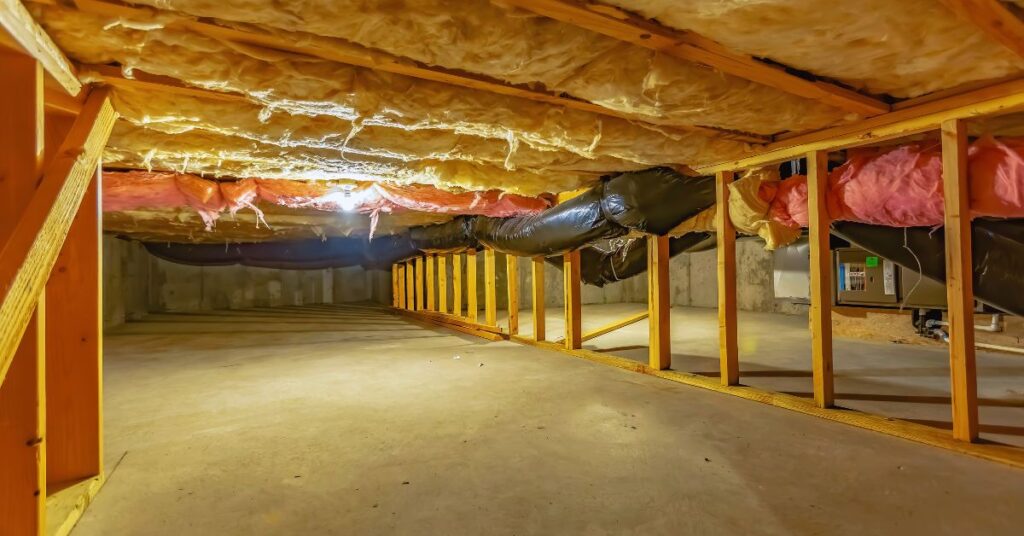
An unfinished basement is often a source of significant energy loss due to poor insulation and air leakage. By finishing the basement, homeowners can dramatically improve the home’s overall energy performance. Installing high-performance insulation along foundation walls and rim joists helps regulate indoor temperatures year-round, while sealing gaps prevents cold drafts and moisture intrusion. These improvements reduce the workload on the home’s HVAC system, resulting in lower utility bills and a more stable climate inside the house. In colder regions, a finished basement can act as a thermal buffer zone, helping to retain heat during winter. In the summer, proper insulation and vapor barriers help keep the space cooler and more comfortable. For homeowners looking to reduce their environmental footprint and energy costs, finishing the basement is a practical and rewarding investment.
Common Features in Modern Finished Basements
Today’s finished basements are far more than storage rooms or recreational dens. Many homeowners are incorporating versatile, high-end features that reflect changing lifestyles and needs. Home theaters with built-in surround sound systems and dark acoustic walls are increasingly popular for entertainment purposes. Wet bars or compact kitchenettes add hospitality and function, especially for social gatherings or hosting guests. Additional bedrooms or guest suites with egress windows provide safe, comfortable accommodations. Fitness rooms with rubberized flooring and mirror walls support health and wellness goals. Dedicated offices and study areas are now common, especially in homes where remote work or homeschooling is part of everyday life. Children’s playrooms, craft areas, and game zones round out the mix, making the basement a dynamic part of the home instead of just an afterthought.
Factors That Affect Basement Finishing ROI
Several key variables influence how much return a homeowner will get from finishing their basement. First, the quality of workmanship and materials plays a crucial role. Skilled contractors, proper planning, and durable materials ensure the space remains functional and appealing for years. Second, moisture control and waterproofing are foundational. A damp or mold-prone basement will reduce any potential gains, both financially and in comfort. Third, compliance with building codes ensures the finished space can be legally counted as livable square footage, which directly impacts appraisals and buyer confidence. Lastly, market demand and trends in your area can affect ROI. For example, buyers looking for multi-generational living arrangements or income-generating potential may place a premium on finished basements. Matching your renovation to what buyers actually want is key to maximizing value.
When Is the Right Time to Finish Your Basement?
The timing of a basement finishing project should align with both your home’s condition and your family’s long-term plans. Ideally, the basement should be dry, structurally sound, and free from foundation or drainage problems before you start. Finishing a basement also makes sense when your family is growing, you’re working from home more often, or you need an additional revenue stream through rental income. It’s particularly beneficial if you’re planning to stay in the home for several more years and want to enjoy the space yourself before selling. Additionally, finishing your basement ahead of a sale can add appeal in a competitive housing market, provided the project is completed well before listing to allow time for inspections and staging.
Mistakes to Avoid During Basement Renovation
While basement renovation offers many benefits, there are common mistakes that can undermine the project’s success. One of the biggest errors is ignoring moisture control. Even minor leaks can lead to mold, structural issues, and ruined finishes. Another misstep is failing to pull the necessary permits or comply with local codes, which can result in fines, project delays, or difficulty selling the home in the future. Over-customizing the space with highly specific layouts or exotic materials may reduce its universal appeal to potential buyers. Additionally, cutting corners on materials or labor may save money initially, but often results in repairs or premature replacements down the road. Working with experienced, licensed professionals and investing in quality materials can help you avoid these pitfalls.
Final Thoughts: Is It Really Worth It?
Finishing a basement is one of the most rewarding home improvement projects both in terms of lifestyle enhancement and financial return. It transforms underutilized square footage into comfortable, functional living space, whether for your own family or future buyers. From energy savings to improved property value, the benefits are broad and long-lasting. When done thoughtfully, and with attention to code compliance and moisture control, a finished basement can elevate your home’s appeal, versatility, and marketability. While the upfront costs may be significant, the payoff—in utility, comfort, and resale value—makes basement finishing a smart, future-forward investment.
Frequently Asked Questions (FAQs)
Q1: Can I finish my basement if it has moisture issues?
A: Yes, but moisture problems must be resolved first. This may involve sump pump installation, French drains, or foundation sealing to ensure a dry environment.
Q2: Will finishing my basement increase property taxes?
A: Possibly. Added square footage and increased home value may affect your property assessment, depending on local tax rules.
Q3: Can I use my basement as a rental unit?
A: Only if it meets local egress, ventilation, plumbing, and zoning requirements. A finished basement with a private entrance and bathroom is ideal for this purpose.
Q4: How long does basement finishing take?
A: Most projects take 4 to 8 weeks, depending on size and complexity. Permitting and inspections may affect the timeline.
Q5: Do I need a permit to finish my basement?
A: Yes, most municipalities require building permits for basement renovations involving structural, plumbing, or electrical changes.
Q6: What’s the difference between remodeling and finishing a basement?
A: “Finishing” involves making the space livable for the first time, while “remodeling” refers to updating an already finished area.
Q7: What type of flooring is best for a finished basement?
A: Moisture-resistant flooring options like luxury vinyl planks, tile, and sealed concrete are often recommended. Carpet can be used with proper vapor barriers and dehumidification.
Q8: Can I add a bathroom to my finished basement?
A: Yes, and it’s one of the most valuable upgrades. It requires proper plumbing and sometimes the installation of an ejector pump system if the basement is below sewer line grade.
Q9: Should I hire a general contractor or individual trades?
A: A general contractor simplifies the process by managing timelines, permits, inspections, and multiple trades. If you’re experienced in project management, hiring individual specialists can save money but adds complexity.
Q10: Does finishing my basement affect home insurance?
A: Yes, you should notify your insurer after the renovation. The added livable space and features may require policy updates to ensure proper coverage.